Robots on Mars
Flybys, landers, rovers, orbiters and a helicopter: the robots that taught us most of what we know about Mars.
NASA has sent five rovers to Mars: Sojourner, Spirit, Opportunity, Curiosity and Perseverance. NASA Space Place: The Mars rovers · checked 25 Oct 2026 Mars is one of the most explored places in the solar system, and the only planet where we’ve sent rovers to roam. NASA Science: Mars facts
The first close-up
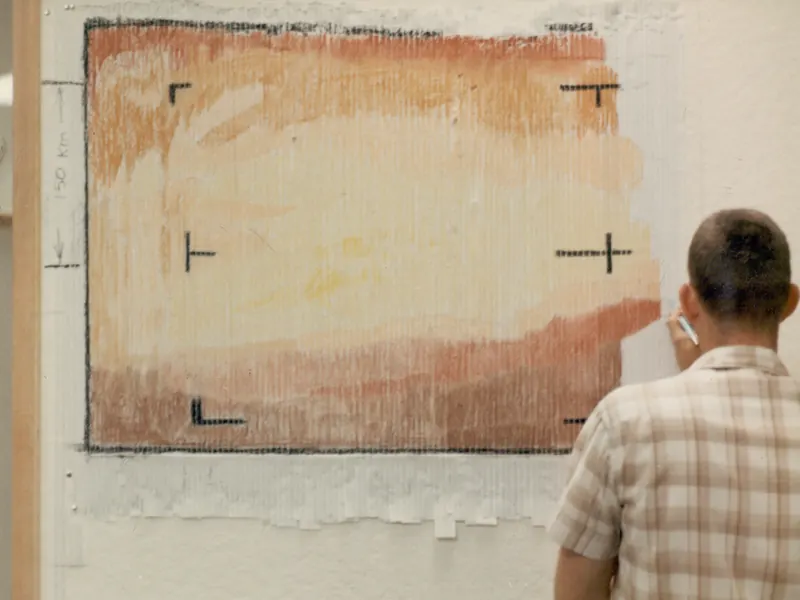
Mariner 4 flew past Mars on 14 July 1965. It was the first successful mission to Mars, and took the first close-up pictures of any planet beyond Earth. NASA Science: Mariner 4 The Mariner 4 team were too excited to wait for computers to process the first picture, so they printed the numbers on paper strips and coloured them in by hand. NASA Science: Mariner 4
Viking: the first pictures from the ground
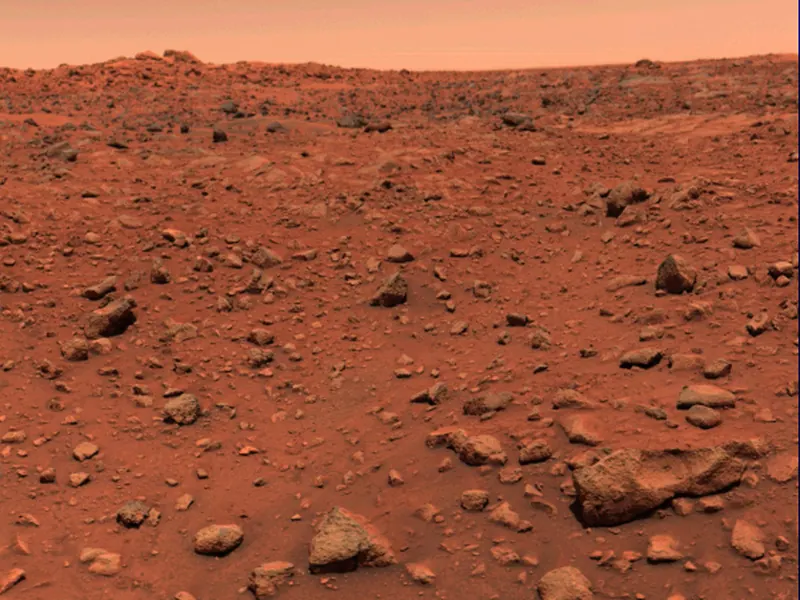
NASA’s Viking 1 lander touched down on 20 July 1976 and sent back the first pictures from the surface of Mars. NASA Science: Viking 1 Viking 1 made the first truly successful landing on Mars. The Soviet Mars 3 lander landed in 1971, but contact was lost seconds after touchdown. NASA Science: Viking 1
The two Viking orbiters returned 52,663 pictures and mapped about 97 percent of Mars. NASA Science: Viking 1 Viking 2’s lander touched down on 3 September 1976, about 6,460 km from Viking 1. NASA Science: Viking 2
Pathfinder and Sojourner
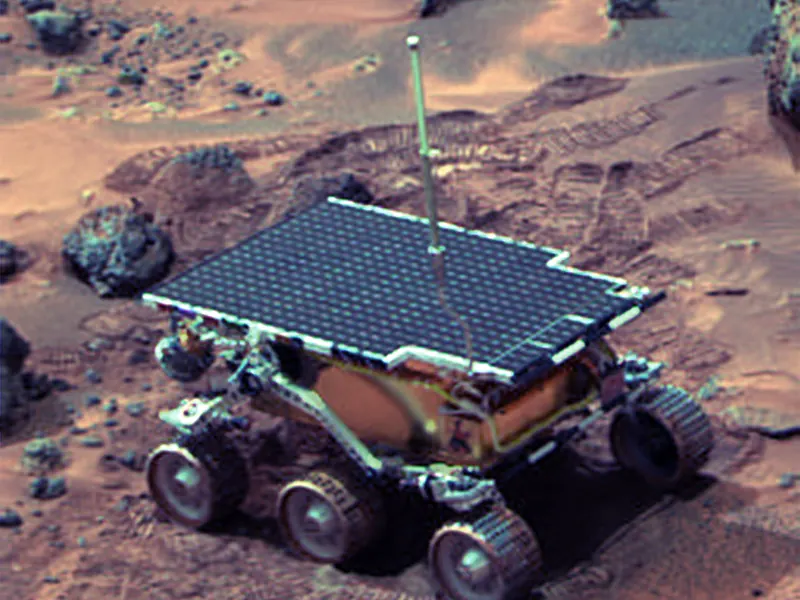
Mars Pathfinder landed on 4 July 1997 and delivered Sojourner, the first robotic rover ever sent to Mars. NASA Science: Mars Pathfinder Sojourner weighed just 10.6 kg. NASA Science: Mars Pathfinder
Pathfinder landed inside giant airbags and bounced like a beach ball about 15 times, as high as 15 m. NASA Science: Mars Pathfinder
Spirit and Opportunity
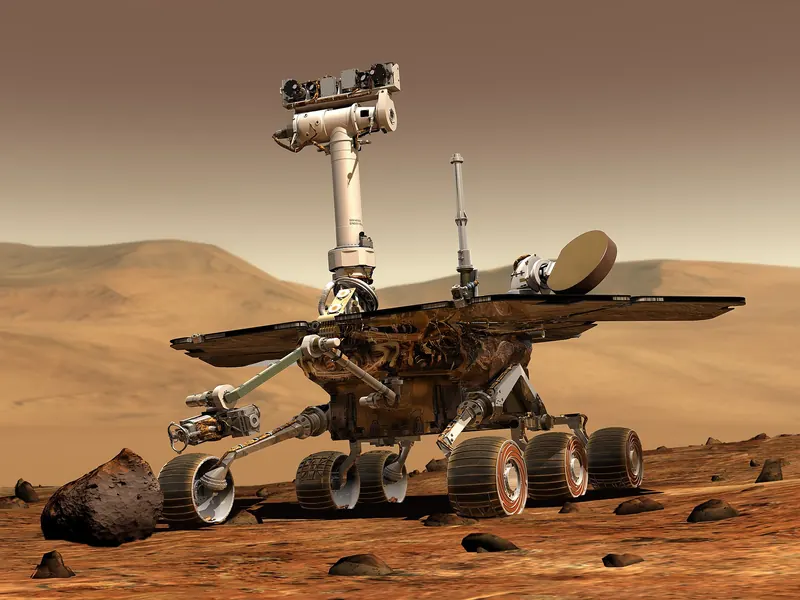
Twin rovers Spirit and Opportunity landed in January 2004, on opposite sides of Mars, to look for signs of past water. NASA Science: Spirit and Opportunity By studying the rocks, Spirit and Opportunity confirmed that water stood on the surface of Mars for a long time in ancient times. NASA Science: Spirit and Opportunity
Opportunity last talked to Earth on 10 June 2018, when a planet-wide dust storm covered the solar-powered rover. NASA Science: Spirit and Opportunity
Orbiters overhead
NASA’s Mars Reconnaissance Orbiter launched in 2005 to search for evidence that water lasted on the surface of Mars for a long time. NASA Science: Mars Reconnaissance Orbiter ESA’s Mars Express launched on 2 June 2003 and reached Mars in December 2003. ESA: Mars Express
Mars Express has mapped the chemistry of Mars’s atmosphere and studied the moon Phobos in unprecedented detail. ESA: Mars Express
Curiosity
Curiosity landed on 6 August 2012. When it launched it was the largest and most capable rover ever sent to Mars. NASA Science: Curiosity rover Curiosity is about the size of a small SUV, and its wheels are 20 inches (51 cm) across. NASA Space Place: Curiosity
Curiosity took 17 cameras to Mars, more than any other rover. NASA Space Place: Curiosity · checked 25 Oct 2026 Curiosity found chemical and mineral evidence that Mars once had places where tiny microbes could have lived. NASA Science: Curiosity rover · checked 25 Oct 2026
Perseverance
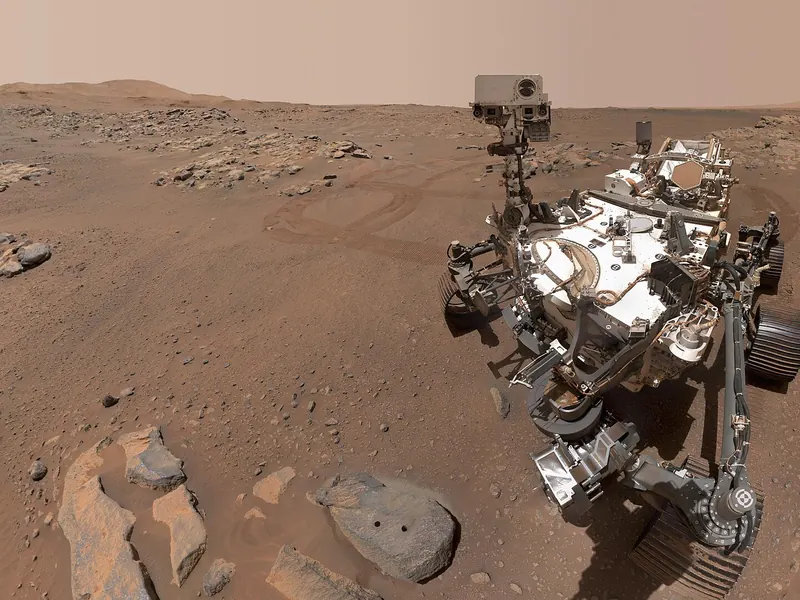
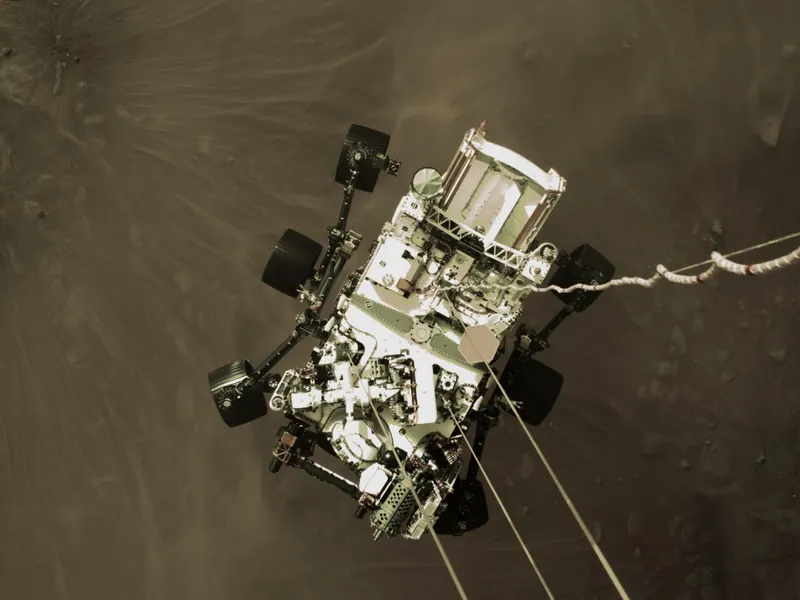
Perseverance launched on 30 July 2020 and landed in Jezero Crater on 18 February 2021. NASA Science: Perseverance rover Perseverance is searching for signs of ancient microbial life and collecting rock samples that a future mission could bring to Earth. NASA Science: Perseverance rover · checked 25 Oct 2026
In 2025 the journal Nature published results showing that a Perseverance sample from a rock nicknamed “Cheyava Falls” contains potential biosignatures: clues that need more study before anyone can say whether life was there. NASA Science: Perseverance rover · checked 25 Oct 2026
Perseverance has six wheels, each with its own motor. NASA Science: Perseverance rover components Perseverance’s top speed on flat, hard ground is just under 0.1 mph: 152 metres per hour. NASA Science: Perseverance rover components
Perseverance has six Hazard Cameras (HazCams), four at the front and two at the back, to spot rocks, trenches and sand dunes. NASA Science: Perseverance rover components Engineering cameras help human operators on Earth drive Perseverance more precisely. NASA Science: Perseverance rover components
On 11 October 2026 Perseverance’s odometer reached 45.22 km, beating Opportunity’s record of 45.16 km for the farthest anyone has driven on another world. NASA Science: Perseverance rover · checked 25 Oct 2026
Ingenuity, the Mars helicopter
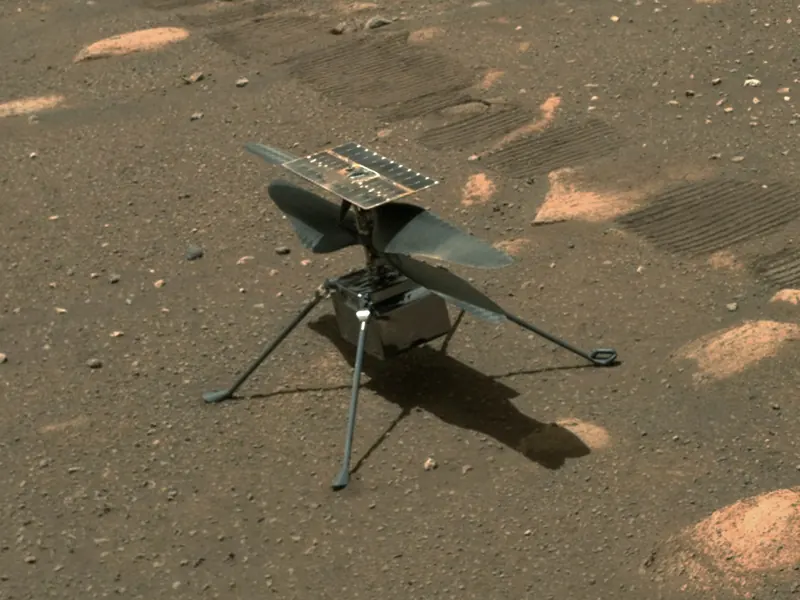
On 19 April 2021 the Ingenuity helicopter made the first powered, controlled flight on another planet. NASA Science: Ingenuity Mars Helicopter Ingenuity was meant to make no more than five test flights in 30 days. It made 72 flights in nearly three years, the last on 18 January 2024. NASA Science: Ingenuity Mars Helicopter
Making oxygen
Perseverance’s MOXIE experiment made 122 grams of oxygen from Martian air, about what a small dog breathes in 10 hours. NASA Science: Perseverance instruments
People next?
NASA is working on technology to send astronauts to Mars as early as the 2030s. NASA: Humans to Mars · checked 25 Oct 2026 Dust storms on Mars can last for months, so NASA says nuclear fission power is a more reliable choice than solar power for human missions. NASA: Humans to Mars
Timeline
- 1965 Mariner 4 flew past Mars on 14 July 1965. It was the first successful mission to Mars, and took the first close-up pictures of any planet beyond Earth. NASA Science: Mariner 4
- 1976 NASA’s Viking 1 lander touched down on 20 July 1976 and sent back the first pictures from the surface of Mars. NASA Science: Viking 1
- 1976 Viking 2’s lander touched down on 3 September 1976, about 6,460 km from Viking 1. NASA Science: Viking 2
- 1997 Mars Pathfinder landed on 4 July 1997 and delivered Sojourner, the first robotic rover ever sent to Mars. NASA Science: Mars Pathfinder
- 2003 ESA’s Mars Express launched on 2 June 2003 and reached Mars in December 2003. ESA: Mars Express
- 2004 Twin rovers Spirit and Opportunity landed in January 2004, on opposite sides of Mars, to look for signs of past water. NASA Science: Spirit and Opportunity
- 2005 NASA’s Mars Reconnaissance Orbiter launched in 2005 to search for evidence that water lasted on the surface of Mars for a long time. NASA Science: Mars Reconnaissance Orbiter
- 2012 Curiosity landed on 6 August 2012. When it launched it was the largest and most capable rover ever sent to Mars. NASA Science: Curiosity rover
- 2018 Opportunity last talked to Earth on 10 June 2018, when a planet-wide dust storm covered the solar-powered rover. NASA Science: Spirit and Opportunity
- 2021 Perseverance launched on 30 July 2020 and landed in Jezero Crater on 18 February 2021. NASA Science: Perseverance rover
- 2021 On 19 April 2021 the Ingenuity helicopter made the first powered, controlled flight on another planet. NASA Science: Ingenuity Mars Helicopter
- 2024 Ingenuity was meant to make no more than five test flights in 30 days. It made 72 flights in nearly three years, the last on 18 January 2024. NASA Science: Ingenuity Mars Helicopter
- 2026 On 11 October 2026 Perseverance’s odometer reached 45.22 km, beating Opportunity’s record of 45.16 km for the farthest anyone has driven on another world. NASA Science: Perseverance rover · checked 25 Oct 2026
Can you drive a rover the way the team does? Try Rover Drive →
Next: myths vs facts →